
We’re all born naked and the rest is drag
How drag can help people discover who they are
November 10, 2019
By Lindsey Cardell
Beards. Blonde curls. Makeup. Jackets. Bras. Boxers. Heels. Loafers.
Modern society has assigned these materials to binary genders for centuries, but when that assignment is challenged, new avenues for inclusivity and self-discovery flourish.
Drag is a transformation that has transformed itself. At its start, Drag’s primary purpose was entertainment. Now, the purpose of drag has progressed to not only be performance, but also a process of gender and identity exploration for members of the LGBTQ+ community.
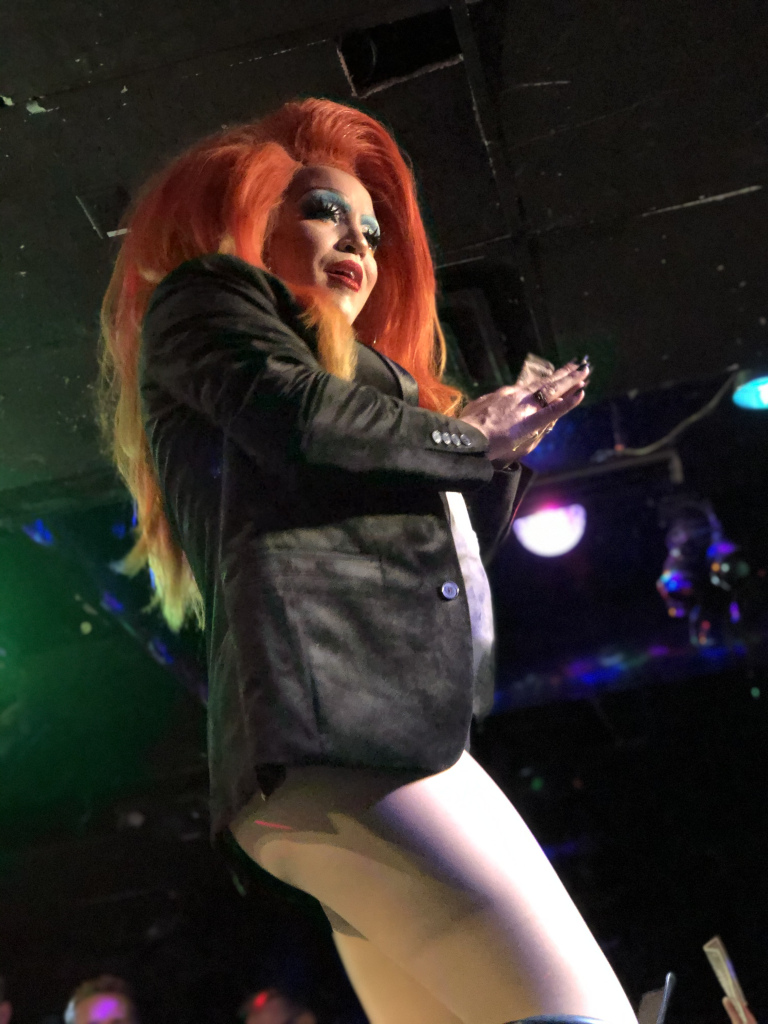
In Madison, Five Nightclub is a popular hub where all sorts of diverse people can participate and enjoy drag and tease shows. Audience members are promised a night full of fun, friends and family, according to Five Nightclub’s website.
Karizma Mirage, the drag persona of Madison local Robert Carr, is a regular hostess and performer at Five Nightclub. Mirage is one of Madison’s most popular drag queens and said that while she loves the transformation drag provides, her favorite part of performing drag is the spotlight.
“There’s nothing more fulfilling to me as a feeling than being on stage,” Mirage said. “If any queen tells you it’s not the best part of drag, they’re lying because you do it for a reason. We do it to be on stage. We do it to be seen.”
James McMaster, a queer-male and Assistant Professor of Gender and Women’s Studies and Asian American studies at UW-Madison. McMaster explained how drag is a form of queer performance.
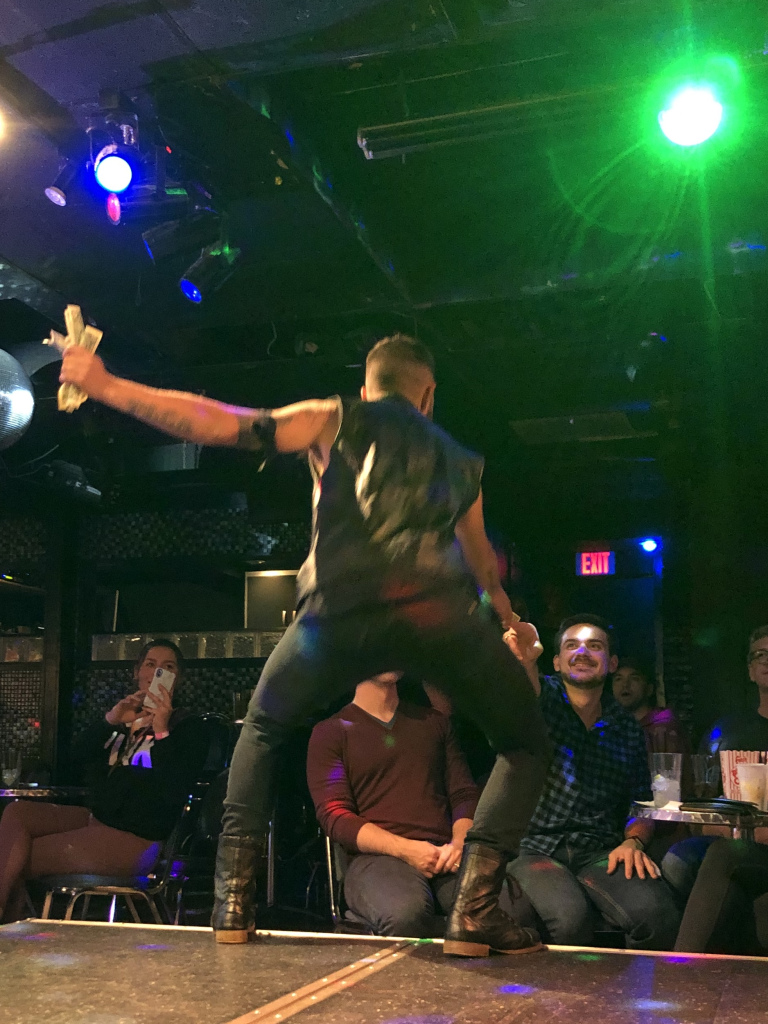
“The power of queer performance is that it produces alternative versions of the world in real-time and space,” McMaster said. “If you go see a show and on stage you’re watching what some might call a queer play or a queer performance, what you’re actually seeing is in real-time and space a different way that we can structure social relations, that we can structure power, that we can live identities in manifest life.”
At the university level, UW-Madison’s Gender and Sexuality Campus Center provides support, information and courses on navigating relationships and leadership for LGBTQ+ community members, according to their website. The Campus Center’s Assistant Dean and Director, Warren Scherer, a gender-nonconforming queer-person, has made observations of drag and its impact on the LGBTQ+ community.
“I think of [drag] as a core cultural hub for LGBTQ+ communities, particularly gay men and trans women,” Scherer said.
For many members of the LGBTQ+ community, drag has started to be more about self-discovery and education rather than performance.
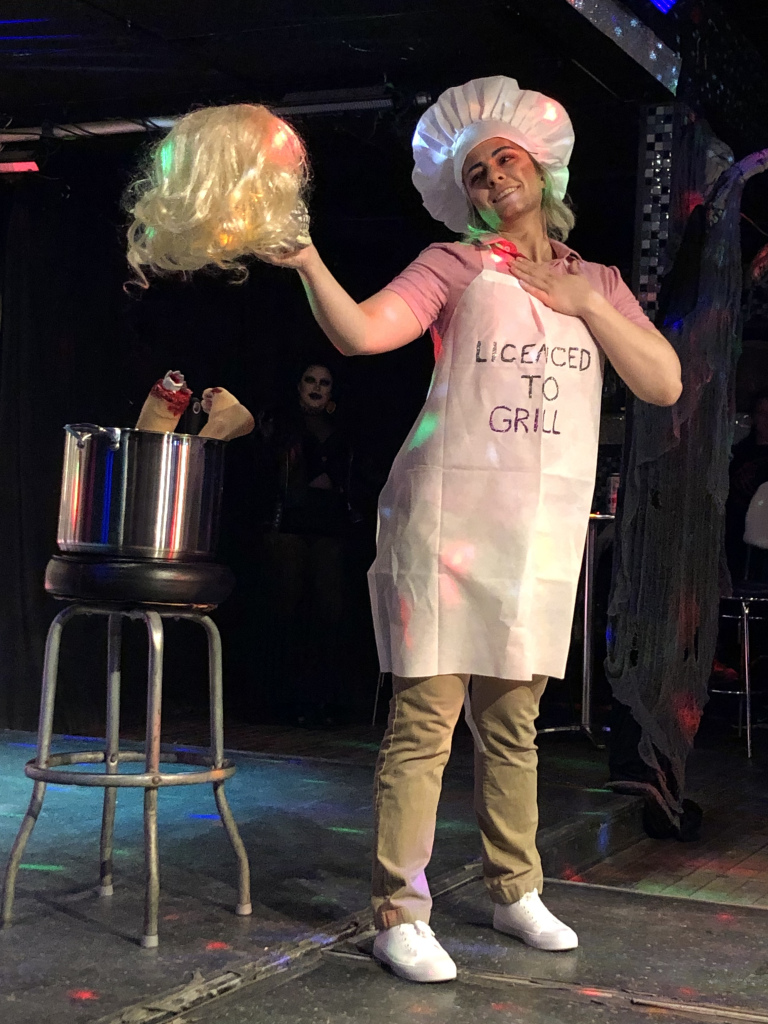
“A lot of people will come to shows, especially people who come to a show for the first time, it’s not because they want to see a show, it’s because they want to learn what drag is,” Mirage said. “I also think a lot of people find their gender identity from drag. There are a lot of women who will eventually come out as trans and allow drag to teach them that they were trans, because there’s a difference. Trans is how you live, drag is what you do.”
Mirage also made clear the distinction for her.
“A lot of people think drag is a fetish thing, or I do it because I like to dress as a woman,” Mirage said. “I love being beautiful, but I don’t need [drag] to feel great. I do it because I love the limelight, and I love the energy I get from it. There’s a big difference between drag and a trans-girl. Trans-women don’t want to take [drag] off. When I get home, the first thing I want to do is take this off — eat Taco Bell, then take it off.”
Scherer has noticed people shed their timidity and be bombastic when in drag.
“I have seen folks playing with gender as a confidence booster in some way,” Scherer said. “Here are men and women and trans and non-binary folks who are effectively playing with gender in ways that society tells us that gender is rigid and needs to be all these things.”
Spencer Fitzgerald, a gay-male and student at UW-Madison who has experimented with drag for one year, also found confidence and questioned societal norms from drag.
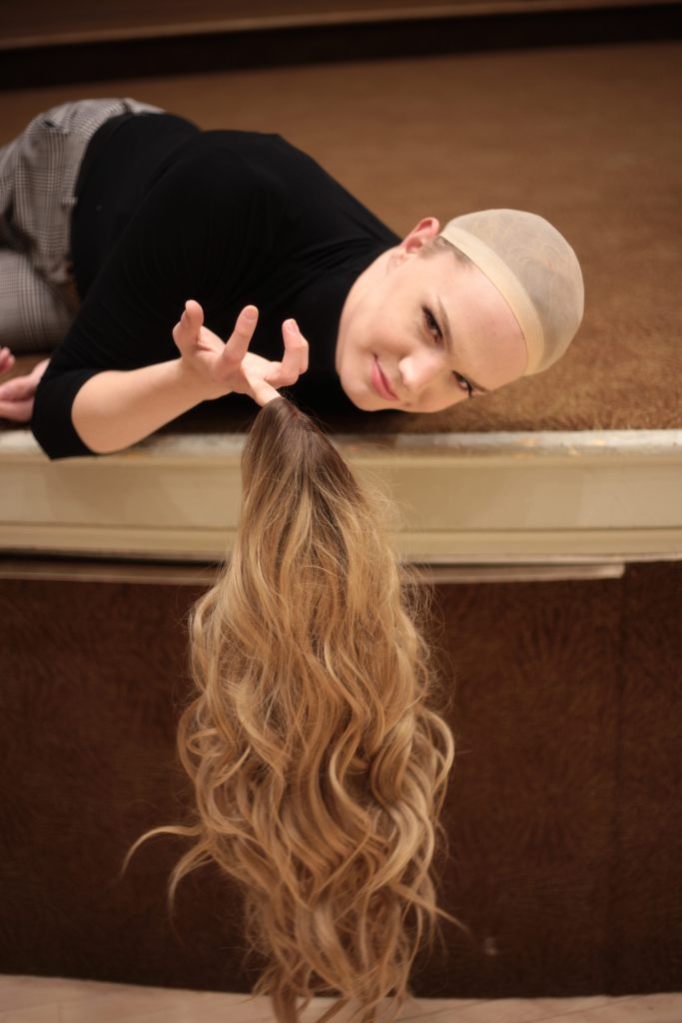
“[Drag] has helped me be open to more possibilities and not just put myself in one box for what I believe society wants me to be,” Fitzgerald said. “It’s helped me feel more comfortable expressing myself in different ways because if I didn’t see other people doing it, I might be too ashamed and still fearful.”
Location is also a huge factor in drag scenes and LGBTQ+ communities.
To Scherer, Madison is branded as a progressive, inclusive and attentive city. Many local businesses hang rainbow flags in their windows and have stickers on their doors.
“The culture of the town influences the campus as the campus influences the town,” Scherer said. “Being LGBTQ+ is seen as part of the fabric of community here.”
When asked about the drag scene in Madison, Mirage said that it is vast.
“We are lucky enough in Madison, to have a huge repertoire of drag,” Mirage said. “We have queens, comedy queens, we have pageant queens, we have jokers, we have bio queens, we have those non-binary people who don’t like to specify who kind of play on that borderline. Madison is so different than anywhere in our area because we do have everything here.”
Having a supportive community and resources like the Campus Center can greatly influence how individuals express themselves. By working to develop that sort of environment across the city and campus, Madison is allowing more students and citizens to discover their identities and be the best version of themselves that they can be.
 Lindsey Cardell